

Table of Contents
- Why Your Family's Game Day Style Can Be Greener
- Build a Capsule Wardrobe for Game Day That Works All Season
- Choose Sustainable Materials: Organic Cotton and Recycled Fabrics
- Give New Life to Upcycled Sports Jerseys
- Shop Secondhand and Vintage for Unique Team Spirit
- Embrace Slow Fashion for Kids: Quality Over Quantity
- Layer Up: Weather-Specific Sustainable Outfit Ideas
- Care for Your Gear to Make It Last Longer
- Frequently Asked Questions
Last Updated: September 7, 2026
Game days are a beloved family tradition, but the fast fashion that often outfits them comes with a hidden cost to the planet. Eco-friendly game day fashion for families is about making smarter, more mindful clothing choices that reduce waste without sacrificing team spirit. This guide from Merch by Mary Ellen will show you how to build a greener game day wardrobe that looks great and feels even better, all while teaching your kids valuable lessons about sustainability.

The good news is that shifting to a more sustainable approach doesn't require a complete wardrobe overhaul or a huge budget. It’s about changing how you shop, what you buy, and how you care for the pieces you already own. We’ll explore practical strategies like building a capsule wardrobe, choosing sustainable materials, and embracing the fun of upcycling. Below, we’ll show you exactly how to dress your family for the big game in a way that’s kind to both your wallet and the environment.
Why Your Family's Game Day Style Can Be Greener
The biggest misconception is that sustainable fashion means sacrificing style or comfort. In reality, eco-conscious choices often lead to more creative, comfortable, and unique outfits. By focusing on sustainable materials and mindful consumption, you can significantly reduce your family's environmental impact while still showing up in full team colors.
This shift is part of the broader slow fashion movement, which encourages buying fewer, better-quality items. Instead of purchasing a new, cheaply made shirt for every game, you invest in durable pieces that last for many seasons. This approach not only cuts down on textile waste but also saves you money in the long run. It's a win for your family and the planet.
Build a Capsule Wardrobe for Game Day That Works All Season
A capsule wardrobe is a collection of versatile, essential pieces that can be mixed and matched to create numerous outfits. For game day, this means having a few key items in your team's colors that can be layered and styled for any weather condition. This is the foundation of eco-friendly game day fashion for families.
Start by selecting a few core items: a comfortable t-shirt or hoodie in your team's primary color, a neutral pair of jeans or joggers, and a versatile jacket. From there, you can add seasonally appropriate layers. This approach simplifies getting ready, reduces clutter, and ensures you’re only buying what you’ll actually wear. It is the most cost-effective and sustainable way to build a game day wardrobe. If you're looking for quality basics to anchor your capsule, the Merch by Mary Ellen Best Sellers collection is a great place to start.
Choose Sustainable Materials: Organic Cotton and Recycled Fabrics
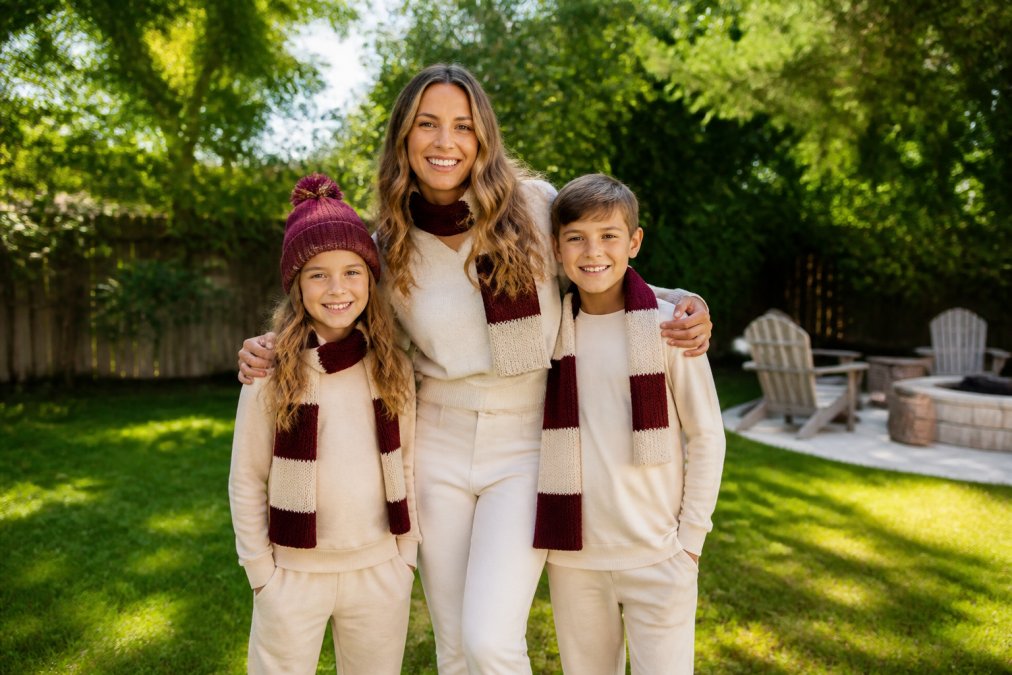
When you do need to buy new, the fabric matters most. Prioritize clothing made from organic cotton, which is grown without harmful pesticides, or recycled fabrics like polyester made from plastic bottles. These sustainable materials reduce your environmental impact and are often softer and more durable for active kids.
Natural fibers like organic cotton are breathable and comfortable, making them ideal for a long day at the stadium. Recycled fabrics, on the other hand, are a great choice for outerwear and athletic gear because they perform well and give waste a second life. Look for these materials when shopping, as they are key components of a more eco-conscious wardrobe. By choosing these options, you are supporting ethical manufacturing and reducing the demand for virgin resources.
Give New Life to Upcycled Sports Jerseys
Upcycling is a powerful way to keep textiles out of landfills, and it’s a hands-on way to teach kids about resourcefulness. Instead of just listing ideas, let’s walk through two specific, family-friendly projects that turn an outgrown jersey into something you’ll use all season.
Project 1: The No-Sew Jersey Tote Bag
This project requires zero sewing skills and takes about 20 minutes. You’ll need an old jersey, a pair of fabric scissors, and a ruler.
- Lay the jersey flat on a table, with the front facing up.
- Cut off both sleeves in a straight line, following the seam where the sleeve meets the body of the shirt.
- Turn the jersey inside out.
- Cut fringe along the bottom hem, making vertical cuts about 1 inch apart and 3 inches deep.
- Tie the top fringe strips together in a double knot, and then tie the bottom fringe strips together. This seals the bottom of the bag.
- Turn the bag right side out. The neck hole and armholes become the handles. This bag is perfect for carrying snacks, a blanket, or your kids’ layers to the game.
Project 2: The Jersey Memory Pillow
This is a slightly more involved project that creates a lasting keepsake. You’ll need a square throw pillow insert (often 16x16 or 18x18 inches), a sewing machine or a needle and thread, and your old jersey.
- Cut a square from the front of the jersey that is 1 inch larger on all sides than your pillow insert. Center the design or number within your square.
- Cut an identical square from the back of the jersey.
- Pin the two squares together with the right sides (the printed sides) facing each other.
- Sew around the perimeter, leaving a 6-inch opening on one side to insert the pillow.
- Turn the fabric right side out through the opening.
- Insert the pillow form and hand-stitch the opening closed.
These projects are more than just crafts; they are a tangible lesson in the circular economy. By repurposing a beloved jersey, you’re preventing waste and creating a unique piece of team memorabilia that holds more sentimental value than anything you could buy at a stadium store. For more inspiration on creative repurposing, the EPA’s guide on textile recovery offers a great overview of why keeping clothes in use matters.
Shop Secondhand and Vintage for Unique Team Spirit
Secondhand shopping is a powerful tool for the eco-conscious family. Thrift stores, consignment shops, and online marketplaces are treasure troves for vintage apparel and unique team gear. Buying secondhand is the ultimate form of recycling, as it extends the life of a garment and keeps it out of a landfill.
This is also a budget-conscious way to find high-quality items, often from brands that prioritize durability. You might be surprised to find vintage jerseys or classic team merchandise that has a unique character you can’t find in stores today. This approach to shopping supports the circular fashion model. It’s a smart, sustainable way to build a distinctive game day look without contributing to the demand for new production.
Embrace Slow Fashion for Kids: Quality Over Quantity
Kids outgrow clothes quickly, making it tempting to buy the cheapest options available. However, embracing slow fashion for kids means investing in higher-quality pieces that can withstand rough play and frequent washing. This approach is better for the environment and can even save you money in the long run, especially if you plan to hand them down.
Choosing well-made garments with reinforced stitching and durable fabrics means they’ll last through multiple seasons and siblings. When buying for a growing child, look for adjustable features or slightly larger sizes that can be worn for longer. This philosophy of mindful consumption teaches children to value their belongings. It also ensures you aren’t constantly replacing worn-out items, which is the core of a sustainable family wardrobe. For durable, kid-friendly options that fit this bill, the Shop for Kids collection offers pieces designed to hold up season after season.
Layer Up: Weather-Specific Sustainable Outfit Ideas
Game day weather can be unpredictable, but a sustainable wardrobe is perfectly suited for layering. The goal is to use versatile, comfortable pieces to adapt to changing conditions from the morning tailgate to the evening game. This is where a well-planned capsule wardrobe truly shines.
For a chilly game, start with a base layer of organic cotton, add a mid-layer like a hoodie, and top it off with a wind-resistant jacket made from recycled fabrics. On sunny days, a simple team t-shirt with a versatile flannel tied around the waist works well. This focus on layering techniques allows you to be weather-appropriate without needing a completely different outfit for every forecast. It maximizes the use of the clothing you already own, which is the most sustainable choice of all.
Care for Your Gear to Make It Last Longer
The most sustainable garment is the one you already own. Extending its life by just nine months can reduce its carbon, waste, and water footprints by around 20-30% (wrap.org.uk). While buying better is important, caring for what you have is where you can have an immediate impact. This section focuses on the eco-friendly laundry habits that keep your team gear looking sharp and out of the landfill.
The Cold Water Rule
Washing in cold water is the single most effective change you can make (energy.gov). By switching your washing machine’s temperature setting from hot to cold, you can save energy on every single load. For your brightly colored team jerseys and shirts, cold water is also superior because it prevents dyes from bleeding and fading, keeping the colors vibrant for more game days.
Air-Dry to Protect Fabrics
The heat of a mechanical dryer is tough on elastic, which is common in athletic wear and jersey fabric. Over time, it breaks down the fibers, causing them to lose their shape and pilling to form. Air-drying is a zero-energy alternative that is gentler on your clothes. Hang your gear on a drying rack or a clothesline. If you must use a dryer, use the lowest heat setting and remove items while they are still slightly damp to minimize damage.
Protect Prints and Details
Printed numbers and names are often the first thing to crack and peel. Turn all printed shirts and jerseys inside out before washing. This simple step prevents the printed design from rubbing against other clothes in the drum, which is the primary cause of cracking. Washing inside out also protects any patches or embroidery from snagging.
Spot Clean to Avoid Full Washes
A grass stain on a knee or a ketchup smudge on a sleeve doesn’t always require a full wash. Spot cleaning with a small amount of eco-friendly detergent and a soft brush can often remove the mark without the wear and tear of a full cycle. This saves water and energy and extends the life of the garment.
The Microfiber Problem
Many modern athletic jerseys are made from synthetic materials like polyester. When washed, these fabrics shed tiny plastic fibers, called microfibers, that flow into our waterways. To minimize this, use a washing bag designed to catch microfibers, like a Guppyfriend bag, or consider installing a filter on your washing machine’s discharge hose. This is a crucial, often-overlooked part of caring for your gear that directly addresses the environmental impact of the clothes you already own.
By adopting these habits, you are not just maintaining your family’s game day look; you are actively reducing your household’s energy consumption, water usage, and plastic pollution. This is the ultimate act of sustainable fashion.
Frequently Asked Questions
What is the 3-3-3 rule for fashion?
The 3-3-3 rule is a simple styling challenge: pick just 3 tops, 3 bottoms, and 3 pairs of shoes to create a week of outfits. For game day, this means choosing a few versatile pieces in your team's colors that mix and match easily. It forces you to be creative and buy less, which cuts down on textile waste and saves money.
How can families build a sustainable game day wardrobe?
Start by shopping secondhand for team gear and vintage jerseys, which keeps clothing in circulation. Then, focus on a capsule wardrobe for game day built around a few neutral, high-quality pieces you can layer. Choose items made from organic cotton or recycled fabrics, and repair or upcycle old sports jerseys instead of buying new ones.
What are the best eco-friendly fabrics for active families?
Organic cotton is soft, breathable, and grown without harsh pesticides, making it ideal for kids. Recycled polyester, often made from plastic bottles, is durable and great for activewear. Look for natural fibers like bamboo or hemp for layering pieces, as they regulate temperature well and are gentler on the environment.
How do I style a vintage jersey for game day?
Vintage jerseys are perfect for upcycled sports jerseys projects. If it fits, pair it with high-waisted jeans and sneakers for a classic look. For cooler weather, layer it over a long-sleeve organic cotton tee. If it's too big, have it tailored or turn it into a throw pillow or tote bag to keep the team spirit alive.
Ready to refresh your family’s game day look with quality pieces built to last? Subscribe to our newsletter for more style tips and updates on new collections from Merch by Mary Ellen.