

Table of Contents
- Understanding the Real Cost of Youth Sports Travel
- Create a Youth Sports Budget Template
- Strategies for Budgeting and Saving on Travel Expenses
- How to Save Money on Hotel Bookings for Tournaments
- Fundraising Ideas for Travel Sports Teams
- Tax Deductions for Youth Sports Expenses
- Prioritizing Sports vs. Financial Health
- Conclusion
Last Updated: August 19, 2026
Understanding the Real Cost of Youth Sports Travel
Youth sports travel costs extend far beyond the registration fee. Parents often underestimate the true financial commitment when their child joins a competitive travel team. The expenses accumulate quickly across tournament fees, hotel accommodations, meals, equipment, and transportation. Understanding the breakdown of these costs is the first step toward managing them effectively.
A typical travel sports season involves multiple tournaments throughout the year. Each event requires advance payment for team dues, registration costs, and travel logistics. Beyond the obvious expenses, hidden costs emerge: parking fees at venues, food during tournaments, replacement equipment, and upgrades to uniforms. Many families discover mid-season that their initial budget estimate was far too optimistic.
The financial pressure can become significant, especially for families with multiple children in youth athletics. What starts as enthusiasm for a child's sport can transform into stress about affording the next tournament. This is where intentional budgeting becomes essential. At Merch by Mary Ellen, we work with families who understand that managing youth sports travel costs requires planning, not just hoping the expenses work out.
The key to financial stability is transparency. Know exactly what your child's sport will cost before committing. Request a detailed breakdown from your team's coaching staff or league. Ask about all required fees, typical travel distances, and expected tournament participation. This information forms the foundation of your youth sports budget template and helps you make an informed decision about whether your family can comfortably afford the commitment.
Create a Youth Sports Budget Template
Building a comprehensive budget is non-negotiable if you want to avoid financial surprises. A well-structured youth sports budget template tracks every category of expense and helps you identify where money goes each month. Start by listing all fixed costs: team dues, league fees, and mandatory registration costs. These are predictable and should be paid first.
Next, estimate variable costs that change based on tournament schedule and travel distance. Hotel accommodations represent one of the largest variable expenses. Research typical nightly rates in tournament locations your team visits. Multiply by the number of nights per tournament and the number of tournaments per season. This gives you a realistic picture of lodging costs.
Transportation expenses include gas, tolls, parking, and potentially rental vehicles for larger groups. Calculate the distance to typical tournament locations and estimate fuel costs. Don't forget parking fees at venues, which can range from $5 to $20 per day depending on the event size and location.
Create separate line items for:
- Team dues and registration fees
- Tournament entry fees
- Hotel accommodations
- Meals during tournaments
- Transportation (gas, tolls, parking)
- Equipment purchases and replacements
- Uniform costs and updates
- Private coaching (if applicable)
- Training camps or clinics
Total these amounts for the full season and divide by 12 months to understand your monthly commitment. This monthly figure is what you need to budget for consistently. If the number surprises you, you now have time to explore cost-saving strategies before the season begins.
Strategies for Budgeting and Saving on Travel Expenses
Reducing youth sports travel costs requires a multi-pronged approach. The most effective families combine several strategies rather than relying on a single tactic. Start by examining where you can legitimately cut expenses without compromising your child's experience or safety.
Carpooling and Cost-Sharing
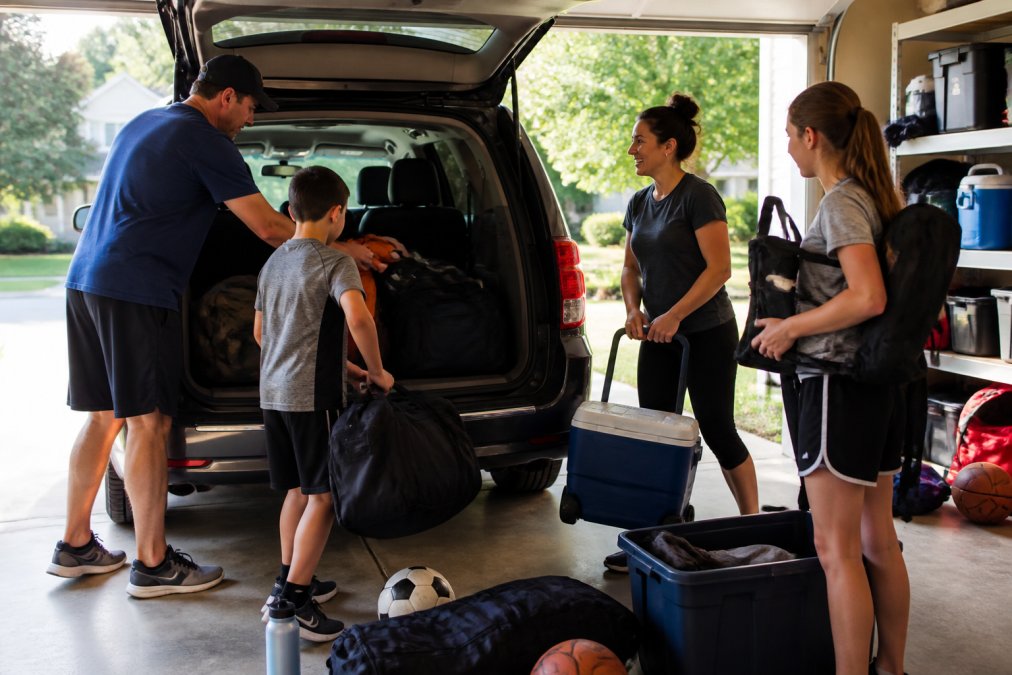
Carpooling is one of the most straightforward ways to reduce transportation costs. Coordinate with other families on your team to share driving responsibilities and vehicle expenses. When four families split gas costs for a tournament trip, each family saves significantly. Beyond fuel, carpooling reduces wear and tear on your vehicle and parking fees if you can consolidate into fewer cars.
Establish a carpool rotation system. One family drives the first tournament, another family drives the next event. This spreads the burden fairly and ensures no single family bears all transportation costs. Create a shared spreadsheet to track mileage and fuel costs, then divide expenses equally among participants.
Cost-sharing extends beyond transportation. Families can split hotel room costs by booking larger suites or connecting rooms. Four families sharing a hotel suite costs far less per family than booking individual rooms. Coordinate meal planning so families can purchase groceries and cook together rather than eating every meal at restaurants. This approach saves money while building team camaraderie.
Bulk Purchasing Equipment and Uniforms
Equipment depreciation happens quickly in youth sports. Bats, gloves, cleats, and protective gear wear out or get outgrown. Buying used equipment saves substantial money compared to purchasing new items. Check online marketplaces, local sports consignment shops, and team Facebook groups where families sell outgrown gear.
Bulk purchasing with other team families can unlock discounts on uniforms and apparel. When teams order together, suppliers often offer volume discounts. Work with your coaching staff to negotiate better pricing. If your team needs matching apparel for tournaments or team events, Merch by Mary Ellen offers customizable clothing options that allow you to create coordinated gear.
Buying in bulk also applies to consumable items like sports drinks, snacks, and first aid supplies. Coordinate with other families to purchase in larger quantities, then divide the supplies and costs. This approach reduces per-unit costs and ensures everyone has what they need without individual families overspending.
How to Save Money on Hotel Bookings for Tournaments
Hotel accommodations often represent the single largest travel expense for youth sports families. Strategic booking can significantly reduce this cost. Start by booking early. Hotels offer better rates for advance reservations, and you'll have more room availability to choose from. Many tournaments announce their location and dates months in advance, giving you time to secure discounted rates.
Use hotel comparison websites to find the best available rates. Search across multiple platforms rather than booking directly with the hotel. Many websites offer additional discounts for first-time users or loyalty program members. Sign up for hotel loyalty programs even if you don't stay frequently, the points accumulate and can be redeemed for free nights.
Negotiate directly with hotels when booking multiple rooms for your team. Contact the hotel's group sales department and explain that you have a team of families needing accommodations. Hotels often provide group discounts for 5 or more rooms. Request a group rate even if you're not booking through a formal tournament package.
Consider alternative accommodations like short-term rentals, which can be more economical than hotels for larger groups. A rental home with multiple bedrooms costs less per family than booking separate hotel rooms. Families can cook meals in the rental, saving additional money on dining.
Location matters. Hotels near tournament venues cost more than properties slightly further away. If the tournament location has good transportation options or your team is carpooling, choosing a hotel 15-20 minutes away can save hundreds of dollars without significantly impacting convenience.
Fundraising Ideas for Travel Sports Teams
Fundraising reduces the financial burden on individual families and builds team unity. Successful fundraising campaigns require planning and participation from multiple team members. Start by identifying realistic fundraising goals based on your team's travel expenses and the number of families participating.
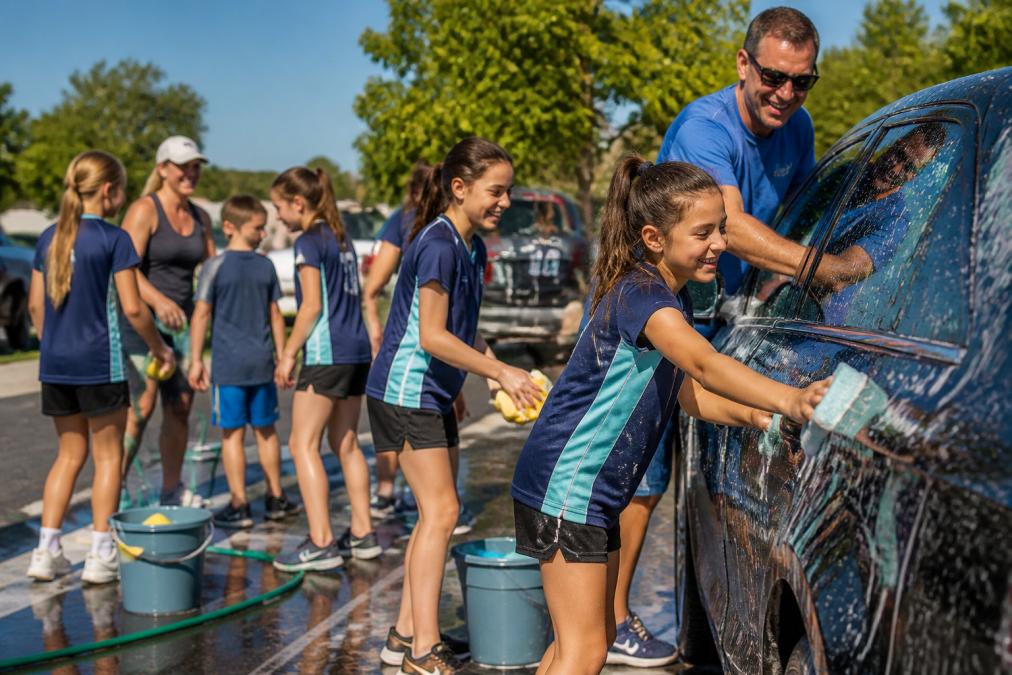
Fundraising initiatives that work well for youth sports teams include car washes, bake sales, and team dinners. Car washes are popular because they require minimal startup costs and can be scheduled around tournament dates. Partner with a local business that allows you to use their parking lot. Promote the event through social media and team communications.
Merchandise sales offer ongoing fundraising opportunities. Teams can sell branded apparel, water bottles, or other items with team logos. Merch by Mary Ellen specializes in customizable team apparel that allows you to create unique merchandise reflecting your team's identity. Revenue from merchandise sales goes directly to reducing tournament fees for participating families.
Seek local sponsorships from businesses in your community. Many small businesses allocate marketing budgets to support youth sports. In exchange for sponsorship, businesses receive recognition on team websites, social media, and at tournaments. This approach generates significant funding without requiring families to work fundraising events.
Host team-based fundraising events like pancake breakfasts, trivia nights, or movie nights. Charge admission and donate proceeds to the team fund. These events build community while raising money. Coordinate timing so they don't conflict with tournament schedules or other team commitments.
Tax Deductions for Youth Sports Expenses
Parents often overlook tax deductions available for youth sports expenses. Understanding which costs qualify for deductions can reduce your overall financial burden. The Internal Revenue Service allows deductions for certain youth sports-related expenses, though eligibility depends on specific circumstances.
Equipment purchases may qualify for deductions if your child's sport requires specialized gear. Uniforms and protective equipment purchased for youth athletics can sometimes be deducted as educational expenses. Keep detailed receipts for all equipment purchases, including dates and amounts paid.
Travel expenses related to youth sports competitions may qualify for deductions in specific situations. If your child participates in sports at a level that qualifies as educational or developmental, travel expenses could potentially be deductible. Consult with a tax professional to determine whether your specific situation qualifies.
Documentation is critical for claiming any deductions. Maintain organized records of all youth sports expenses, including receipts, invoices, and payment confirmations. Create a spreadsheet tracking expenses by category and date. This documentation supports your deduction claims if you're audited and helps you understand your true annual costs.
Speak with a qualified tax professional before claiming deductions. Tax rules change annually, and your personal situation determines what qualifies. A tax professional can review your specific circumstances and advise you on legitimate deductions available to your family.
Prioritizing Sports vs. Financial Health
The most challenging decision parents face is determining whether youth sports participation aligns with their family's financial reality. Enthusiasm for a child's sport is important, but not at the expense of long-term financial stability. This requires honest conversations about what your family can afford without creating undue stress.
Calculate your family's total youth sports commitment as a percentage of household income. Financial advisors suggest that discretionary spending on activities like youth sports should not exceed 10-15% of household income. If your youth sports costs exceed this threshold, you may need to reconsider participation levels or explore more affordable alternatives.
Consider the psychological impact on your child when finances create stress. Children sense parental anxiety about money. If tournament fees cause arguments or financial strain, your child may feel responsible for the family's stress. This emotional burden can diminish the joy and benefits of sports participation. Sometimes stepping back from the most expensive travel league and choosing a more affordable local option provides better overall outcomes.
Evaluate whether the investment aligns with your child's actual interest and commitment level. A child passionate about their sport and demonstrating serious dedication may justify higher costs. A child who participates casually or shows declining interest may not warrant the financial commitment. Be willing to have conversations with your child about realistic costs and expectations.
Explore more affordable alternatives if travel sports costs exceed your comfort level. Many communities offer competitive local leagues at significantly lower costs. These leagues provide athletic development and competition without the travel expenses. Your child can still develop skills and enjoy team sports at a price point that doesn't strain your finances.
Managing youth sports travel costs requires planning, communication, and willingness to explore creative solutions. The strategies outlined above, budgeting, carpooling, fundraising, and strategic booking, can significantly reduce your financial burden. Remember that the goal is allowing your child to enjoy sports without creating financial stress for your family.
Start with a comprehensive budget template that tracks all expenses. Implement cost-saving strategies like carpooling and bulk purchasing. Use fundraising to offset individual family costs. When you're ready to outfit your team with coordinated apparel that builds unity without breaking the bank, Merch by Mary Ellen offers customizable options designed for families and sports teams. Visit our shop to explore personalized team gear that makes your youth athletes feel like champions.
Frequently Asked Questions
Are youth sports fees tax deductible?
Some youth sports expenses may qualify for tax deductions if your child is a competitive athlete. Equipment costs, coaching fees, and travel expenses for sanctioned competitions can potentially be deducted as miscellaneous itemized deductions under IRS guidelines, though the rules are strict. Consult a tax professional to determine which expenses apply to your situation, as eligibility depends on your income level and filing status.
How much should a family budget for youth sports travel annually?
Annual costs vary widely depending on the sport, league tier, and travel distance. Budget for tournament fees, hotel accommodations, meals, gas or airfare, equipment, and uniform costs. Many families spend $2,000 to $5,000+ per child annually for competitive travel teams. Start by tracking actual expenses from past seasons and adjust based on planned tournaments and training camps for the year ahead.
What are the most affordable ways to manage tournament and travel logistics?
Coordinate with other families to share hotel rooms, split vehicle costs through carpooling, and book accommodations in advance for better rates. Use short-term rental platforms for multi-day tournaments instead of hotels. Plan your travel itinerary to minimize driving time, and combine multiple tournaments in one trip when possible. Buying used equipment and uniforms also reduces out-of-pocket expenses significantly.
How can travel sports teams raise money to offset costs?
Effective fundraising initiatives include team apparel sales (custom t-shirts and hoodies), car washes, concession stand operations at games, and sponsorship opportunities from local businesses. Some teams organize pancake breakfasts or bake sales. Consider selling personalized team merchandise through platforms that handle production and shipping, reducing the burden on parents while building team spirit.
This article was written using GrandRanker