

Table of Contents
- Why Teaching Sportsmanship Matters for Young Athletes
- Model Positive Behavior and Emotional Regulation
- Examples of Good Sportsmanship in Action
- Sportsmanship Activities for Youth That Build Character
- How to Handle Poor Sportsmanship in Kids
- Setting Clear Expectations and Consequences
- Building Team Culture Through Teamwork and Cooperation
- Digital Sportsmanship: Extending Values Beyond the Field
Last Updated: August 16, 2026
Why Teaching Sportsmanship Matters for Young Athletes
Teaching sportsmanship to young athletes builds character traits that extend far beyond the playing field. When kids learn to handle winning with humility and losing with grace, they develop respect, integrity, self-control, and empathy that shape how they approach challenges in school, relationships, and their futures.
Young athletes with strong sportsmanship skills experience less anxiety around competition. They focus on effort and improvement rather than obsessing over outcomes, which actually improves athletic performance and increases long-term engagement in sports. More importantly, kids who manage competitive pressure and respect authority figures develop emotional regulation skills that serve them for life. They learn that how you handle adversity says more about your character than how you handle success.
Model Positive Behavior and Emotional Regulation
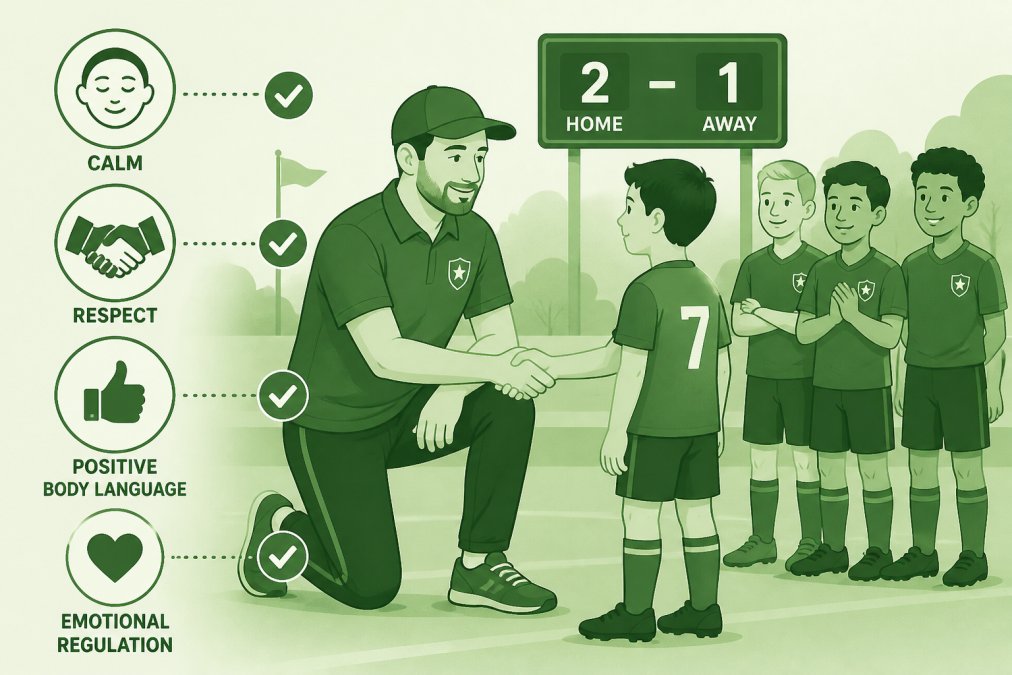
Your behavior as a parent or coach is the most powerful teaching tool you have. Kids learn sportsmanship by watching how adults respond to wins, losses, and frustrating calls, not through lectures.
When you stay calm after a bad call, congratulate the other team's coach after a tough loss, and acknowledge your own mistakes instead of making excuses, you're teaching accountability in real time. This modeling is far more effective than any speech about doing the right thing.
Establish a personal ritual after games, win or lose. Some families debrief calmly at dinner, asking what went well and what they'd do differently. Others take a walk and let emotions settle before talking. The key is creating space for reflection rather than immediate reactions. When your child sees you handling disappointment without blame-shifting, they learn that losses are information, not personal failures. When they see you respecting officials even when you disagree, they understand that authority deserves respect regardless of the decision.
Examples of Good Sportsmanship in Action
Good sportsmanship means treating others with respect and maintaining integrity regardless of the outcome. A young athlete showing good sportsmanship congratulates the opposing team after a loss, not because they're thrilled about losing, but because they recognize that the other team competed fairly and played well.
During a game, good sportsmanship means following the rules even when no one's watching, not arguing with officials, and not taunting opponents. After a win, it means staying humble, acknowledging teammates' contributions and not rubbing the victory in opponents' faces. In practice, it means giving full effort, listening to coaching, and supporting teammates who struggle rather than criticizing them.
One of the clearest examples of good sportsmanship is how a young athlete responds to their own mistakes. Do they blame the referee or their teammates, or do they acknowledge the mistake, learn from it, and refocus? Kids who take responsibility for their performance demonstrate the kind of character that coaches and parents want to see develop.
Sportsmanship Activities for Youth That Build Character
Team-building exercises that require cooperation help young athletes understand that individual success means nothing without team success. Relay races where everyone has to finish together teach interdependence. Drills where players rotate positions help them develop empathy for what their teammates face.
Pre-game rituals that emphasize respect work well. Some teams do a unified chant that acknowledges their opponents: "We respect our competition." Others have captains shake hands with the other team's captains before the game starts, setting the tone for respectful competition.
Post-game reflection activities teach accountability without shame. After a loss, have your young athlete identify one thing they did well and one thing they'd improve next time. After a win, have them reflect on what their teammates contributed and what they could have done better.
Recognition systems that celebrate sportsmanship, not just athletic performance, shift what young athletes value. Some teams give out a "sportsmanship award" each week to a player who showed respect, helped a teammate, or handled adversity well. Service activities connected to sports, volunteering at a youth sports clinic or Special Olympics event, remind young athletes that sports is a privilege and build humility and gratitude.
How to Handle Poor Sportsmanship in Kids
Poor sportsmanship usually stems from frustration with performance, fear of failure, lack of emotional skills, or learned behavior from watching others. Understanding the root cause helps you respond effectively rather than just punishing the behavior.
When a young athlete shows poor sportsmanship, your first response should be calm acknowledgment, not immediate punishment. "I noticed you argued with the ref. Let's talk about what happened" is more effective than yelling in the moment. The conversation should focus on the behavior and its impact, not on shaming the child. "When you argued with the official, it made our team look bad" teaches cause and effect. "What could you do differently next time?" teaches problem-solving.
Consequences should be connected to the behavior. If a young athlete threw equipment in frustration, they might help clean up the equipment or sit out the next practice. Consistency matters enormously. If you let poor sportsmanship slide sometimes but punish it other times, kids won't understand what's actually expected.
Conflict Resolution Scripts for Common Situations
Having specific language ready helps both you and your young athlete handle tense moments without escalating them.
When your child is angry about a call: Instead of: "That was a bad call, the ref is terrible" Try: "That call went against us. We can't control the official's decisions, only how we respond. Let's focus on the next play."
When your child loses and wants to blame others: Instead of: "Your teammates played badly" Try: "That was a tough loss. What's one thing you did well out there, and what's one thing you'd do differently next time?"
When your child wants to gloat after a win: Instead of: "We crushed them" Try: "Great effort today. That other team played hard too. What did they do well?"
When your child is frustrated with their own performance: Instead of: "You played terribly" Try: "I could see you were frustrated. You worked hard out there. What's one thing you'll work on at practice this week?"
Post-Game Reflection: Teaching Accountability
Post-game reflection is where real learning happens. Rather than letting the game fade into memory, structured reflection helps young athletes extract lessons and build accountability habits.
The best time for reflection is when emotions have settled, about an hour or two after the game. Ask your child to reflect on three things: what went well, what was challenging, and what they'll focus on next time. This teaches young athletes that every competition, win or lose, is data for improvement. When your child identifies their own mistakes and decides what they'll do differently, they're taking ownership, far more powerful than you pointing out what they did wrong.
Make reflection a family ritual. The consistency matters more than the timing. When reflection becomes normal, kids start doing it automatically, thinking about their performance without being prompted.
Setting Clear Expectations and Consequences
Young athletes need to know exactly what sportsmanship looks like in your family or on your team. Vague expectations like "be respectful" don't give kids enough guidance.
Define what you expect before the season starts. "We shake hands with the other team after every game, win or lose." "We don't argue with officials." "We encourage teammates, even when they make mistakes." Write these down and talk about them. Explain why these standards matter. "We shake hands because we respect that the other team competed fairly" teaches more than just requiring the handshake.
Consequences should be clear and proportional. Minor violations might need just a conversation. Repeated violations or serious ones warrant stronger consequences. Follow through consistently. If you say there's a consequence, enforce it every time. Kids learn the real standards from what actually happens, not from what you say will happen.
Building Team Culture Through Teamwork and Cooperation
Team culture is built one interaction at a time. It's shaped by how players treat each other in practice, how they respond when a teammate makes a mistake, and how they celebrate each other's successes.
Emphasize that individual success means nothing without team success. A player who scores 20 points but doesn't pass to open teammates isn't helping the team win. A player who scores 8 points, makes smart passes, and encourages teammates is a team player. Make this distinction clear and reward team play, not just individual stats.
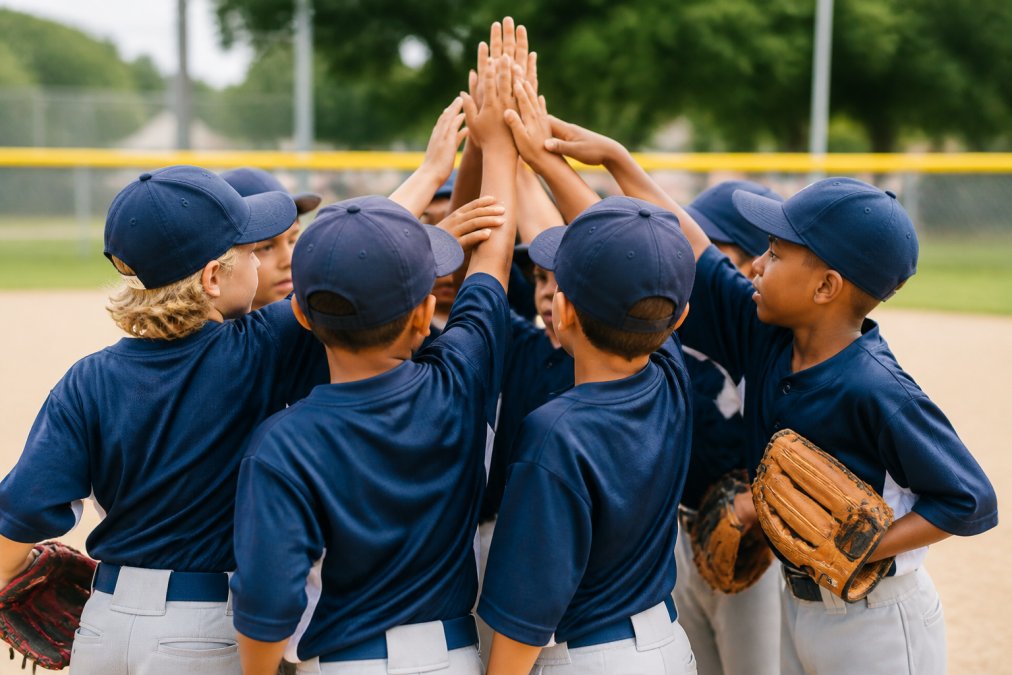
Create team rituals that reinforce unity. A pre-game huddle where everyone puts their hand in the middle and says something positive about a teammate builds connection. A post-practice ritual where players acknowledge someone who worked hard that day reinforces the culture.
Address cliques and divisions directly. If certain players only pass to their friends or if there's gossip or exclusion happening, that's poison to team culture. Rotate practice groups and create team-building activities that mix players.
Celebrate effort and improvement, not just wins. A team that only celebrates when they win creates anxiety and shame around losing. A team that celebrates a player's improvement or a good defensive effort builds a culture where people want to be part of something. Make sure every player feels like they have a role and that their role matters. When every player understands that their contribution matters, they stay engaged and committed.
Digital Sportsmanship: Extending Values Beyond the Field
In 2026, young athletes' sportsmanship doesn't end when they leave the field. Social media, text messages, and online gaming create new arenas where sportsmanship plays out. Teaching digital sportsmanship is now as important as teaching in-game behavior.
Digital sportsmanship means not trash-talking opponents online after games, not posting mocking comments about the other team, and not sharing videos of opponents' mistakes to make fun of them. These behaviors are more damaging than in-game taunting because they're permanent, reach a wider audience, and often happen when emotions are high and judgment is poor.
Have explicit conversations about what you expect digitally. "You don't post anything about the other team that you wouldn't say to their face" is a good standard. "You think before you post, would you be proud if your coach or grandparent saw this?" builds the habit of pausing before sharing.
Monitor without invading privacy. You don't need to read every message, but you should know what platforms your young athlete uses and have occasional conversations about what they're seeing and posting. Teach young athletes that digital behavior has real consequences. Screenshots are forever. Posts can go viral. Colleges and future employers look at social media.
Also help your young athlete understand the flip side: digital platforms are where they can build positive team culture. Group chats where players encourage each other, posts celebrating teammates' achievements, and supportive comments on teammates' posts build connection and reinforce the values you're teaching.
Teaching sportsmanship to young athletes is one of the most valuable gifts you can give them. It's not just about being a good sport, it's about building the character, emotional skills, and values that will serve them for life. When you model respect, set clear expectations, address poor behavior consistently, and celebrate good sportsmanship, you're creating an environment where young athletes learn that how they compete matters as much as whether they win.
At Merch by Mary Ellen, we understand that sports are about more than just the game. They're about identity, belonging, and celebrating the values your team stands for. Whether you're looking for personalized team apparel to reinforce team culture, custom gear to commemorate a season, or patriotic collections to show your family's spirit, we offer high-quality, customizable options that help you celebrate your young athlete's journey. Our wide range of sports-themed apparel and accessories lets you show pride in your team while reinforcing the character values that make sports meaningful.
Frequently Asked Questions
What are 5 examples of good sportsmanship in youth sports?
Good sportsmanship includes shaking hands with opponents after the game, congratulating teammates on good plays, accepting referee decisions without argument, encouraging struggling teammates, and staying calm during losses. These actions teach young athletes that how they compete matters as much as the outcome. Modeling these behaviors consistently helps kids internalize them as part of their athletic identity.
How can parents teach sportsmanship at home?
Parents teach sportsmanship by modeling it themselves, staying calm during their own competitive moments, showing respect for officials and opponents, and discussing sports values regularly. Have post-game conversations focused on effort and character rather than just wins or losses. Recognize when your child handles adversity well or shows integrity. Use family game nights to practice losing gracefully and celebrating others' success.
What should I do if my child shows poor sportsmanship?
Address poor sportsmanship calmly after the game when emotions have settled. Ask what happened and why they responded that way, then explain how their behavior affected others. Use conflict resolution scripts to help them practice better responses. Set clear consequences if behavior violates team rules, but frame it as a learning opportunity. Praise improvement immediately when you see better choices.
Why is teaching sportsmanship important for child development?
Sportsmanship teaches emotional regulation, empathy, and self-control, skills that transfer to school, work, and relationships. Youth who learn to handle competitive pressure and losing gracefully develop greater resilience and grit. Sportsmanship also builds integrity and accountability, helping young athletes understand that character matters more than any trophy. These lessons shape how they navigate challenges throughout life.
This article was written using GrandRanker