

Table of Contents
- The Importance of the Player-Coach Conversation
- Athlete Self-Advocacy Tips: Building Confidence Before the Talk
- When Should a Parent Intervene With a Coach
- How to Prepare for the Meeting: A Self-Assessment Checklist
- Playing Time Conversation Scripts You Can Use
- Questions to Ask a Coach About Development
- Setting the Right Tone: Non-Confrontational Communication
- Common Mistakes to Avoid When Discussing Playing Time
Last Updated: August 17, 2026
The Importance of the Player-Coach Conversation
Having a productive conversation with your coach about playing time is one of the most important skills a young athlete can develop. This isn't just about getting more minutes, it's about learning self-advocacy, understanding expectations, and building a professional relationship that extends far beyond the sport itself.
Many athletes worry that speaking up will label them as a problem player. In reality, coaches respect athletes who approach them professionally and demonstrate genuine interest in improvement. When you initiate a respectful dialogue about playing time, you're demonstrating maturity and gathering critical information about what your coach actually expects from you, information that might differ significantly from what you assumed.
This guide covers everything you need to know about how to talk to coaches about playing time, from preparing for the meeting to handling the conversation itself. Whether you're a parent wondering when to get involved or an athlete ready to take control of your athletic development, these strategies will help you approach the conversation with confidence and professionalism.
Athlete Self-Advocacy Tips: Building Confidence Before the Talk
Self-advocacy starts long before you sit down with your coach. It begins with an honest assessment of where you stand and what you genuinely need to improve.
The first step is accepting that your coach's perspective differs from yours. You see your effort and desire to play. Your coach sees roster management, team dynamics, tactical fit, and consistency over time. Understanding this difference helps you ask better questions instead of making justifications.
Start building confidence by documenting your own performance objectively. Keep track of what you're doing well in practice, specific skills you've improved, and areas where you're still developing. When you walk into that conversation with concrete examples of your own progress, you sound credible and demonstrate that you've been paying attention to your own development.
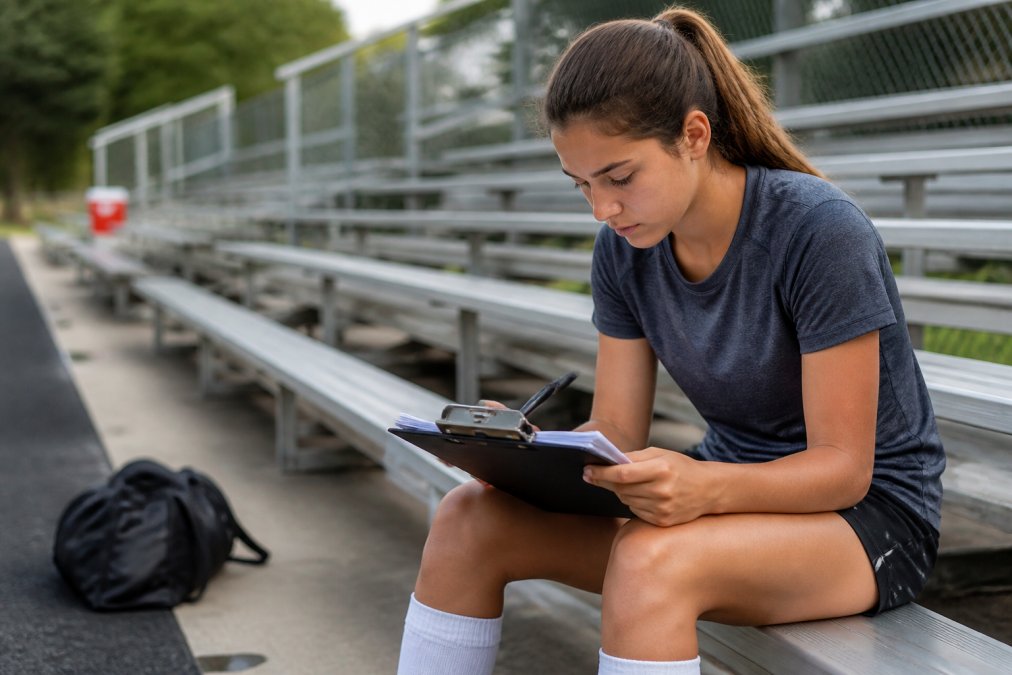
Frame your ambition as a commitment to improvement, not as criticism of your coach's decisions. "I want to understand what I need to work on to earn more playing time" sounds very different from "I deserve more playing time."
Practice the conversation with someone you trust, a parent, older sibling, teammate, or mentor. Say the things you want to say out loud and adjust phrasing that comes across as defensive or entitled. This rehearsal builds genuine confidence. Remind yourself that this conversation is a sign of maturity, not weakness.
When Should a Parent Intervene With a Coach
Let your athlete talk to the coach first, unless there's a legitimate safety or ethical concern. Most youth sports situations don't require parental intervention. Your child's frustration about playing time, while valid, is not a reason to contact the coach. Parents who jump in too quickly rob their athletes of the chance to develop self-advocacy skills.
Legitimate reasons for parental intervention include inappropriate comments about your athlete's body, verbal abuse, unsafe environments, or evidence of favoritism based on family connections rather than performance. Give your athlete at least two to three weeks after their initial conversation with the coach before you get involved.
When you do intervene, approach it from curiosity, not accusation. "I'd like to understand your perspective on my child's development" invites dialogue. "Why isn't my child playing?" puts the coach on the defensive immediately.
How to Prepare for the Meeting: A Self-Assessment Checklist
Preparation transforms a nervous conversation into a focused, productive discussion.
Evaluate Your Current Performance
Look at the stats or measurables your sport tracks. "I'm hitting 70% of my free throws in practice, which is above the team average" is useful. "I think I'm good" is not.
Consider your consistency. Coaches care about who shows up ready to work every single day. One great practice means nothing. Think about your role within the team. Sometimes playing time is about fit, not raw talent.
Identify Skill Gaps and Development Goals
Identify two to three specific, measurable improvements. "I want to increase my three-point accuracy from 25% to 35%" is specific. "I want to improve my three-point shot" is vague.
Write these goals down and bring them to your conversation. For each goal, think about what you'll actually do to achieve it. "I'll spend 15 minutes after every practice working on ball-handling drills" is a plan. "I'll practice more" is not.
Playing Time Conversation Scripts You Can Use
Having scripts prepared means you've practiced key phrases so they come naturally when you need them.
Script 1: The Respectful Opening
"Coach, do you have a few minutes this week when we could talk? I'd like to understand your perspective on my development and what I need to work on to earn more playing time. I'm committed to improving, and I want to make sure I'm focusing on the right things."
This acknowledges the coach's authority, frames the conversation as being about your development, and shows respect for their time. Avoid saying "I think I deserve more playing time" or "Why am I not playing?"
Script 2: Asking About Expectations and Improvement
"What do you think I'm doing well right now? What are the main areas where I need to improve to earn more playing time? When you look at the players who are getting more minutes than me, what are they doing that I need to work on?"
Listen to the answers without interrupting or defending yourself. If the coach gives you feedback that surprises you, that gap between your perception and theirs is exactly what you needed to learn.
Script 3: Following Up After the Conversation
Two weeks after your initial conversation, send a brief message: "Coach, I wanted to check in on the things we talked about. I've been working on [specific improvement], and I'd appreciate any feedback on my progress. Is there anything else I should be focusing on?"
This shows that you took the conversation seriously and demonstrates follow-through.
Questions to Ask a Coach About Development
Good questions show that you're thinking deeply about your athletic development, not just complaining about playing time.
Start with open-ended questions: "What's your philosophy on how you decide who plays?" Follow with specific questions about your role: "Where do you see my strengths as a player? What position or role do you think suits me best?"
Ask about the path forward: "What would a realistic timeline look like for me to earn more playing time? What milestones would you want to see?" Ask about practice: "Is there anything specific you want to see from me in practice that would help me earn more playing time?"
Finally, ask for permission to check back in: "Would it be okay if I check in with you in a few weeks to get your feedback on my progress?"
Setting the Right Tone: Non-Confrontational Communication
How you communicate matters as much as what you communicate.
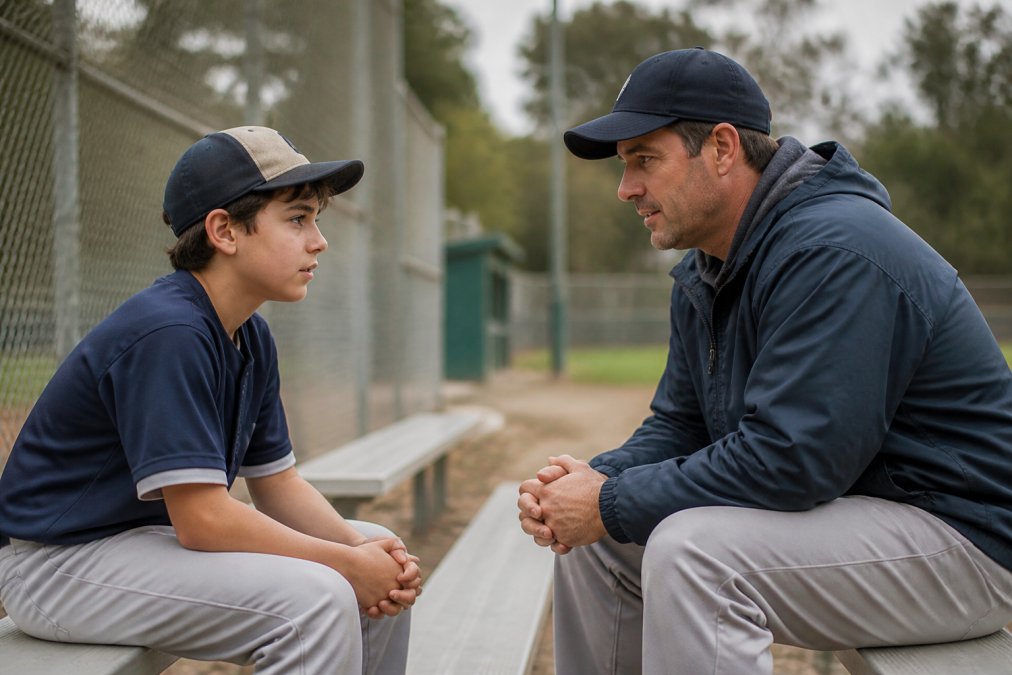
Non-confrontational communication starts with your body language. Sit or stand in a relaxed, open posture. Make eye contact. Use a calm, steady tone of voice.
Avoid absolute language like "always" and "never." Instead, use specific, observable language: "In the last three games, I've had limited minutes." Acknowledge the coach's perspective, even if you disagree. "I understand that you're looking for consistency before increasing playing time" shows that you've heard what they said.
If the coach gives you feedback that's hard to hear, resist the urge to defend yourself immediately. Say "I appreciate that feedback" or "That's helpful to know." Your job right now is to listen and gather information.
Common Mistakes to Avoid When Discussing Playing Time
The biggest mistake is approaching the conversation defensively. You're not there to convince the coach they made a mistake. You're there to gather information and demonstrate maturity.
Don't make it about fairness or comparison. "That player isn't as good as me" puts the coach in the position of defending their decisions. Coaches make playing time decisions based on what they think gives the team the best chance to win, not on fairness.
Avoid vague complaints. "I'm not getting a fair shot" is an opinion. Specific, measurable observations are far more credible.
Don't go into the conversation without doing your homework. If you haven't tracked your performance or prepared specific questions, the coach will notice.
Don't corner your coach right after a loss when emotions are high. Request a specific time when they can give you their full attention.
Finally, don't expect immediate results. Playing time decisions don't change overnight. Your job is to execute on the feedback consistently. The conversation is just the beginning.
Approaching your coach about playing time is ultimately about taking control of your athletic development. When you prepare thoroughly, communicate respectfully, and stay focused on improvement rather than complaints, you create the conditions for a productive conversation. The outcome might not be more playing time immediately, but you'll have the information and clarity you need to actually improve. At Merch by Mary Ellen, we understand how important it is for young athletes to feel supported and confident in their journey, which is why we create gear that helps athletes celebrate their commitment to their sport and their teams.
| Step | Purpose | Outcome |
|---|---|---|
| Self-Assessment | Evaluate current performance objectively | Clear understanding of where you stand |
| Goal Setting | Identify 2-3 specific improvements | Measurable targets to work toward |
| Request Meeting | Ask coach for dedicated time respectfully | Coach knows your intention is serious |
| Ask Questions | Gather information about expectations | Understand what coach actually values |
| Listen Actively | Absorb feedback without defending | Build credibility and rapport |
| Follow Up | Check in on progress after 2 weeks | Demonstrate commitment and gather feedback |
| Execute Consistently | Work on identified improvements daily | Earn trust through sustained effort |
Frequently Asked Questions
When is the best time to approach a coach about playing time?
The best time is typically 24 hours after a game or practice, when emotions have settled and the coach isn't focused on immediate team needs. Request a private meeting in person or via email rather than catching them mid-practice. Avoid approaching during game days, halftime, or when the coach is managing multiple players. Schedule a dedicated conversation that shows respect for their time and demonstrates your serious intent about the discussion.
How can an athlete prepare for a meeting with their coach?
Start by honestly assessing your current performance: practice effort, skill development, and game-day readiness. Write down specific areas where you want to improve and identify skill gaps that may affect your playing time. Research your coaching philosophy and understand the team's roster management approach. Prepare 3-5 questions about developmental goals and what you need to do to earn more game-day rotation minutes. Practice staying calm and professional, and remember that this conversation is about accountability and growth, not making excuses.
What should I do if my coach retaliates after I ask about playing time?
True retaliation, reducing your playing time specifically because you asked about it, is unprofessional and worth documenting. However, distinguish between retaliation and fair coaching decisions based on performance. If you believe retaliation has occurred, speak with a parent or guardian, document specific incidents with dates, and escalate to athletic directors or team administrators if necessary. Most coaches respond well to respectful dialogue, but if the situation doesn't improve after a follow-up conversation, involve parents in advocacy with school or league leadership.
Should parents talk to coaches about playing time, or should the athlete do it alone?
Athletes should initiate the conversation themselves whenever possible, this builds self-advocacy skills and shows the coach that the player is genuinely invested in improvement. Parents should step back and let their child lead. However, parents should intervene if the coach becomes dismissive, disrespectful, or if the athlete feels unsafe. Parents can also support by helping their child prepare, practicing the conversation at home, and offering emotional support afterward. The goal is for young athletes to develop the confidence and communication skills to advocate for themselves.
This article was written using GrandRanker