

Table of Contents
- Prepare Your Hoodie Before the First Wash
- Sort and Pre-Treat Your Custom Printed Hoodie
- Choosing the Best Detergent for Custom Apparel
- Wash Your Hoodie on a Gentle Cycle with Cold Water
- How to Dry Printed Hoodies Without Damage
- How to Prevent Screen Print Cracking and Fading
- Storage and Long-Term Care for Custom Apparel
- Conclusion
Last Updated: August 26, 2026
Prepare Your Hoodie Before the First Wash
The first wash is critical for custom printed hoodies. Before water ever touches your garment, take time to inspect the print and prepare the hoodie properly. Turn the hoodie inside out, this is the single most important step you can take to protect screen printed designs from fading and cracking.
When you turn a garment inside out, you shield the printed surface from direct friction against the washing machine drum and from abrasive detergent particles. The reverse side of the fabric acts as a protective barrier. This simple step extends print durability significantly.
Check the care tag attached to your hoodie. Most custom apparel includes washing instructions specific to the printing method and fabric composition. Read these carefully, as they reflect the manufacturer's recommendations for that particular item. If the tag specifies cold water or delicate cycle, honor those guidelines, they exist because the print or fabric requires gentler treatment than standard garments.
Examine the screen printed area closely before washing. Look for any loose edges, cracks, or areas where the ink appears compromised. If you spot damage, handle the hoodie with extra care during this first wash and consider using a mesh wash bag to reduce agitation. New prints are typically most vulnerable during the first few washes as the ink bonds fully with the fabric fibers.
Sort and Pre-Treat Your Custom Printed Hoodie
Sorting your laundry properly prevents color bleeding and protects custom printed hoodies from dye transfer. Separate whites, lights, and darks into distinct loads. Custom printed hoodies with colored backgrounds should always wash separately from items that might bleed dye, especially new garments that haven't been washed before.
Pre-treatment depends on the type of stain. For general dirt or light soiling, a gentle rinse under cool water often suffices. For actual stains, apply a small amount of mild detergent directly to the affected area and let it sit for 10-15 minutes before washing (the American Academy of Dermatology). Avoid rubbing vigorously, as this can damage both the print and the fabric fibers underneath.
Never use bleach on custom printed hoodies, even if the garment is predominantly white. Bleach weakens fabric fibers and can cause the screen printed ink to fade unevenly or develop discoloration. The same caution applies to bleach-free oxygen cleaners, while gentler than chlorine bleach, they can still affect print longevity. Stick to mild detergent and cool water for stain removal.
If your custom hoodie has set-in stains from a previous wash, don't attempt aggressive pre-treatment. Instead, focus on preventing future stains by washing promptly after wear. The longer a stain sits, the harder it becomes to remove without damaging the print or fabric.
Choosing the Best Detergent for Custom Apparel
The right detergent makes an enormous difference in how well your custom printed hoodie survives repeated washing. Choose a mild, fragrance-free detergent specifically formulated for delicate fabrics or cold water washing. Avoid heavy-duty detergents, enzyme-based cleaners, and products with optical brighteners, all of these can contribute to fading and ink degradation.
Liquid detergents generally work better than powders for custom apparel because they dissolve completely in cold water without leaving residue (the FTC). Powder detergents can leave white streaks on dark fabrics and may not rinse out fully, leaving detergent residue that accumulates over time and dulls colors.
The amount of detergent matters more than you might think. Using less detergent than recommended actually works better for custom printed hoodies. Excess detergent requires more rinse cycles to remove completely, which means more agitation and more water exposure for your garment. Use about half the recommended amount for a normal load (the EPA).
Avoid fabric softeners and dryer sheets when washing custom printed hoodies. Fabric softeners coat fibers with a waxy residue that can make prints appear dull and can eventually cause the ink to peel. The coating also reduces the fabric's ability to breathe, which matters if your hoodie is made from performance or moisture-wicking material.
For hoodies from Merch by Mary Ellen or any custom apparel retailer, check whether the manufacturer recommends a specific detergent type. Some custom printing processes pair better with certain detergent formulations. If no recommendation is provided, a gentle, unscented liquid detergent designed for delicates is your safest choice.
Wash Your Hoodie on a Gentle Cycle with Cold Water
Washing custom printed hoodies requires a gentle cycle with cold water to protect both the screen printed design and the fabric itself. Cold water prevents dye bleeding, reduces the risk of fabric shrinkage, and minimizes ink fading that occurs at higher temperatures. The gentle cycle reduces agitation, which means less friction between the hoodie and the washing machine drum.
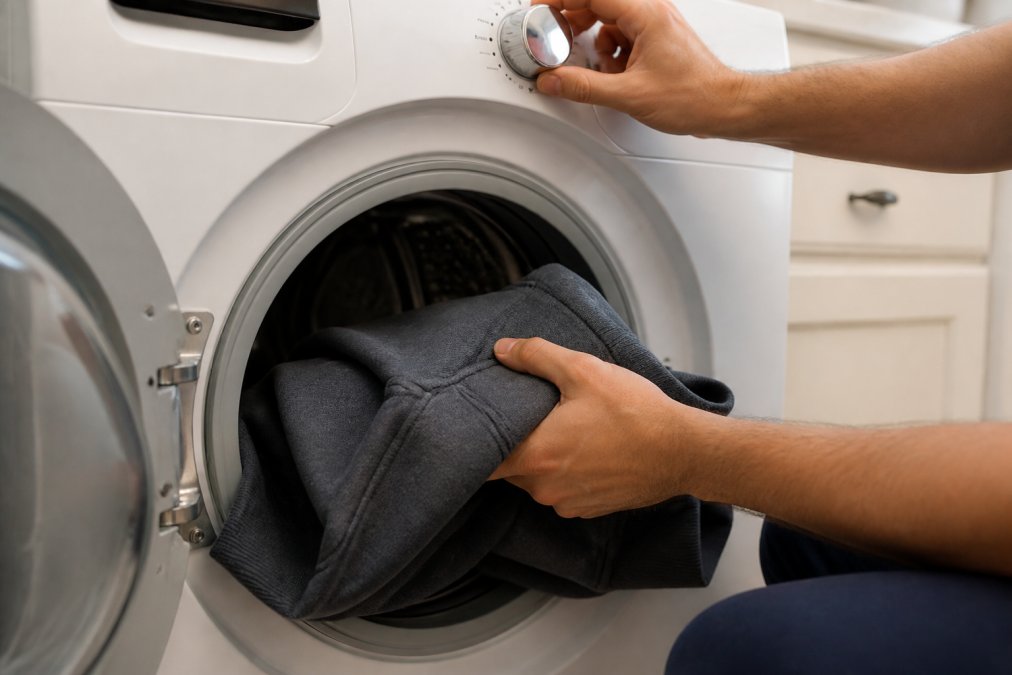
Set your washing machine to the delicate or gentle cycle. This cycle uses slower drum rotation and shorter wash times compared to normal cycles. If your machine offers a "hand wash" setting, that's even better for custom printed hoodies, though gentle cycle achieves similar results.
Use cold water exclusively. Cold water washing has multiple benefits: it preserves the vibrancy of both the screen printed design and the base fabric color, it reduces the likelihood of dye bleeding from dark garments, and it's gentler on fabric fibers. Even if the garment is heavily soiled, cold water combined with proper detergent handles most stains effectively.
Load the washing machine loosely rather than packing it full. Crowded loads increase friction and agitation, which stresses both the print and the fabric. Leave enough space for water to circulate freely around each garment. A loose load means better cleaning and better protection for your custom apparel.
If you're concerned about the hoodie's durability, perhaps it's a new custom print you're unsure about, use a mesh wash bag. This protective barrier reduces direct contact between the hoodie and the drum while still allowing water and detergent to reach the fabric. Mesh bags are especially useful for the first few washes when prints are still bonding with the material.
How to Dry Printed Hoodies Without Damage
Drying method determines whether your custom printed hoodie maintains its appearance long-term. Air drying is the superior method, though it requires more time than machine drying. Tumble drying exposes the print to heat and mechanical stress that can cause cracking, fading, and accelerated wear.
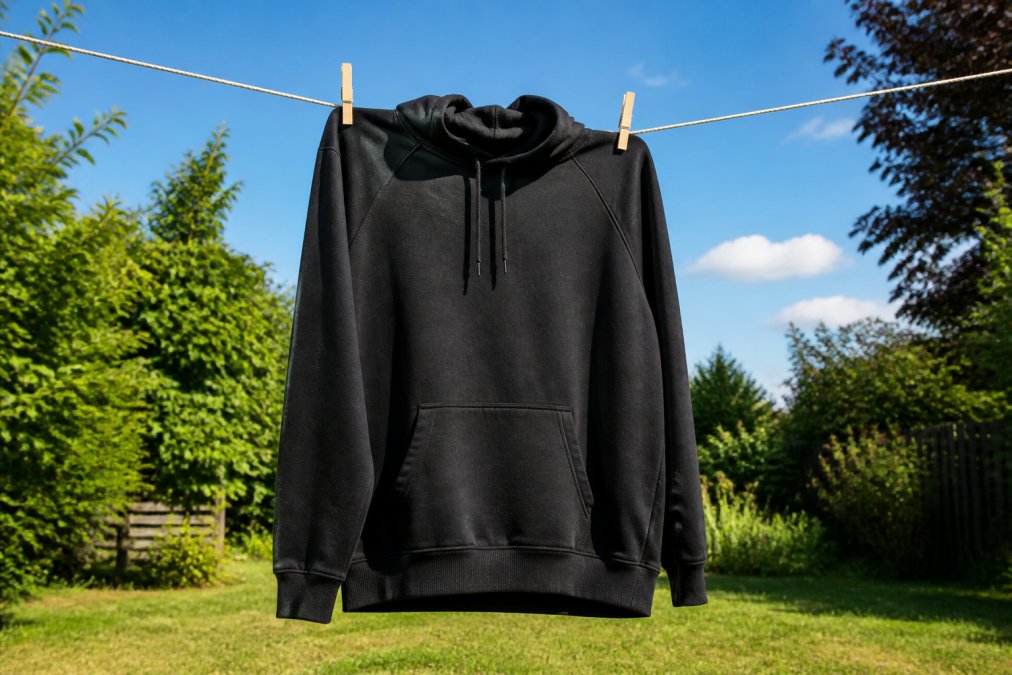
Air dry your hoodie by laying it flat on a clean, dry surface or hanging it on a clothesline or drying rack. Lay flat drying is gentler than hanging, as it distributes the garment's weight evenly and prevents stretching at the shoulders and neck. If you hang the hoodie, use padded hangers rather than wire hangers to avoid shoulder creasing.
Ensure adequate air circulation around the drying hoodie. Don't bunch multiple garments together or drape them over furniture where air can't flow freely. A fan positioned nearby can speed up drying without introducing heat. Proper air circulation prevents moisture from lingering in the fabric, which can lead to mildew or odor development.
Avoid direct sunlight for extended periods, especially on hoodies with dark or vibrant screen printed designs. Sunlight can fade both the base fabric color and the ink over time. A shaded outdoor location or an indoor area with indirect natural light provides the best drying environment.
Never use a tumble dryer for custom printed hoodies. The combination of heat and mechanical tumbling creates the worst-case scenario for print durability. Heat accelerates ink breakdown and can cause screen printed designs to crack or peel. The tumbling action creates friction that wears away at the print surface. Even low-heat settings pose risks, the cumulative effect of repeated low-heat drying eventually damages the print.
If you must use a dryer for time constraints, use the absolute lowest heat setting available and remove the hoodie while it's still slightly damp. However, air drying remains the only method that truly preserves custom printed hoodies long-term.
How to Prevent Screen Print Cracking and Fading
Screen print cracking and fading are the two primary ways custom printed hoodies deteriorate. Both issues stem from the same root causes: heat exposure, excessive agitation, and improper detergent use. Understanding these mechanisms helps you make washing decisions that protect your investment.
Cracking occurs when the ink becomes brittle and loses flexibility. This happens when prints experience repeated heat exposure or when the ink dries out completely. Every time you wash in warm water or dry in a tumble dryer, you accelerate this process. Cold water washing and air drying directly counter this mechanism by eliminating heat stress.
Fading results from ink oxidation and color breakdown over time. Detergent residue, fabric softeners, and harsh chemicals all accelerate fading. Even sunlight exposure during drying can fade screen printed designs, particularly lighter colors on dark backgrounds. Using the correct detergent amount and avoiding chemical additives prevents most fading.
Turn your custom printed hoodie inside out every time you wash it. This protective step reduces direct friction between the screen printed surface and the washing machine drum. The reverse side of the fabric acts as a buffer, keeping the ink away from abrasive surfaces and detergent particles.
Wash less frequently when possible. Every wash cycle, even gentle ones, creates some wear on both the print and the fabric. If your hoodie isn't visibly soiled, consider spot cleaning instead of full washing. A damp cloth can remove surface dust and light marks without requiring a complete wash cycle.
Store your custom printed hoodie properly between wears. Fold rather than hang to prevent stretching and shoulder creasing. Keep it in a cool, dry location away from direct sunlight. Proper storage prevents unnecessary fading and maintains the garment's shape over time.
Storage and Long-Term Care for Custom Apparel
How you store custom printed hoodies between wears significantly impacts their longevity. Proper storage prevents fading, maintains fabric integrity, and keeps prints in pristine condition for years.
Fold your custom printed hoodie rather than hanging it on a hanger. Hanging creates stress on the shoulder seams and can cause permanent stretching, particularly for heavier hoodies. Folding distributes weight evenly and maintains the garment's original shape. Store folded hoodies in a drawer or on a shelf where they won't be crushed by other items.
Choose a cool, dry storage location away from direct sunlight. Heat and humidity encourage mildew growth and can cause fabric deterioration. Avoid basements or attics where temperature and humidity fluctuate. A bedroom closet or linen closet provides ideal conditions for long-term storage.
Keep custom printed hoodies away from strong light sources. Sunlight fades both the base fabric and the screen printed design over time. Even artificial light, if intense enough, can contribute to gradual color loss. Store in a dark location or in opaque storage containers if you have limited closet space.
Use cedar blocks or lavender sachets rather than mothballs for pest prevention. Mothballs contain naphthalene, which can damage fabric fibers and may leave odors that are difficult to remove. Natural alternatives like cedar provide protection without chemical residue.
Inspect stored hoodies periodically for signs of moisture, pests, or fabric damage. A quick visual check every few months catches problems early before they become serious. If you notice any discoloration or odor, remove the hoodie immediately and investigate the cause.
If you're storing custom printed hoodies for extended periods, such as seasonal team gear or commemorative apparel, consider using acid-free tissue paper between folds. This prevents creasing and protects the print from pressure marks. Acid-free paper is available at fabric stores and online retailers.
Conclusion
Washing custom printed hoodies correctly preserves both the screen printed design and the fabric quality that makes your apparel worth wearing repeatedly. The fundamentals are simple: turn inside out, use cold water and gentle cycle, choose mild detergent, and air dry. These practices protect your investment whether you're caring for team spirit apparel, personalized family gear, or commemorative hoodies from Merch by Mary Ellen.
The difference between hoodies that fade and crack after a few washes and those that look great for years comes down to these care decisions. When you follow proper washing and drying methods, your custom printed hoodie maintains its vibrant colors and sharp print quality through dozens of wash cycles. Start with the first wash, turn it inside out, use cold water, and commit to air drying, and your custom apparel will reward you with lasting durability and appearance.
Frequently Asked Questions
How soon after receiving a custom printed hoodie can you wash it?
Wait at least 24-48 hours before washing a new custom printed hoodie. This allows the screen printed ink to fully cure and bond with the fabric fibers. Washing too soon can weaken the adhesion and cause the print to crack or peel prematurely. Check the care tag included with your hoodie for specific manufacturer recommendations, as some prints may require longer curing times.
Does washing custom hoodies inside out prevent print damage?
Yes, turning your hoodie inside out before washing is one of the most effective ways to protect the printed design. This method minimizes direct friction between the print and the washing machine drum, reducing ink cracking and fading. Combined with a gentle cycle and cold water wash, inside-out washing significantly extends print durability and keeps custom apparel looking vibrant through many wash cycles.
What is the best detergent to use for printed apparel?
Use a mild, bleach-free detergent specifically formulated for delicate fabrics or colored garments. Avoid harsh chemicals and fabric softeners, which can damage the ink and leave detergent residue on the fabric. Cold-water detergents work well because they're gentler and require less agitation. Look for products labeled 'gentle' or 'delicate' to protect both the print quality and the underlying fabric fibers of your custom hoodie.
How many washes can a screen-printed design typically last?
A well-maintained screen printed design can last 50-100+ washes when cared for properly. The lifespan depends on wash temperature, cycle intensity, drying method, and detergent choice. Following best practices, washing inside out in cold water on a gentle cycle, air drying, and avoiding bleach, maximizes print durability. Lower-quality prints may fade sooner, while premium custom apparel from reputable makers typically maintains vibrant designs much longer with proper care.
This article was written using GrandRanker